Rethinking Senior Living from the Inside Out
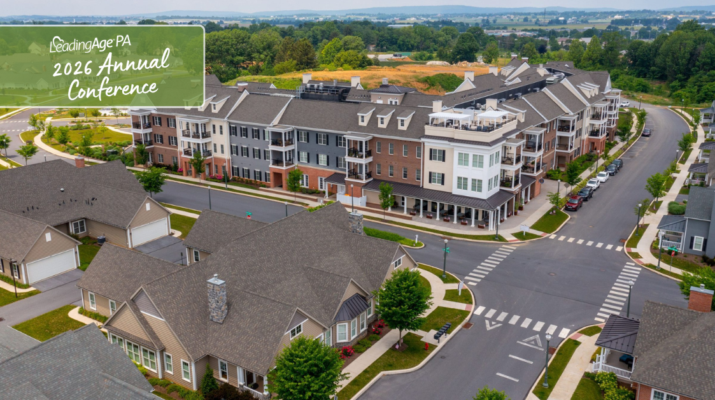
When aging services professionals gather in Hershey for the 2026 LeadingAge PA Annual Conference & EXPO from May 11-13, the theme of “Change Makers” will have particular resonance for RGS Associates.
For years, RGS has worked alongside senior living organizations that are rethinking what their campuses can become. They’re shaping places where older adults can live with more mobility, independence, and connection to the broader community around them.

When the RGS team discussed senior living clients who have been willing to think differently, Moravian Manor CEO David Swartley quickly came to mind. His approach to campus development is measured, collaborative, and forward-looking, which is precisely why RGS sees him as a strong example of this year’s LeadingAge PA theme.
David made clear he does not describe himself as a “change maker,” at least not in the traditional sense.
“I don’t know that most people I work closely with would use the term ‘change maker,’” David said with a chuckle. “But if you surround yourself with really good and creative people, and you’re open to hearing their advice, that can create a pretty cool synergy.”
A Different Kind of Change Maker
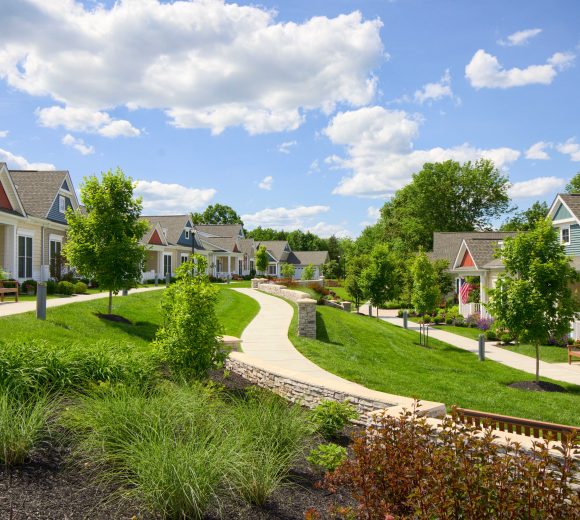
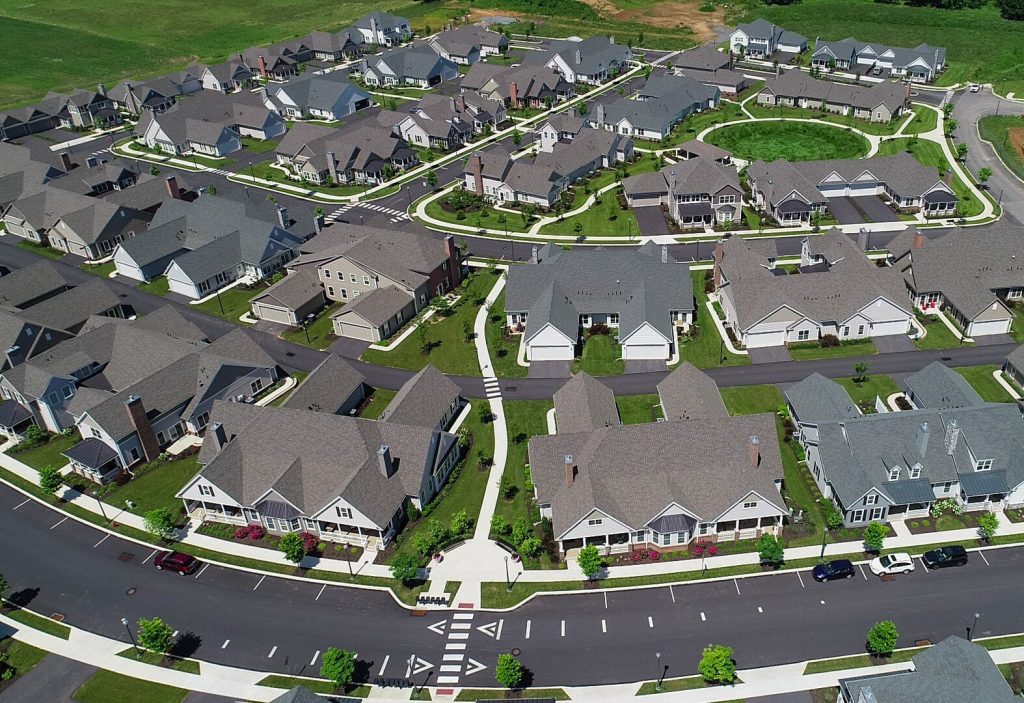
That “cool synergy” helped shape Warwick Woodlands. Designed as a traditional neighborhood development, Warwick Woodlands emphasized front porches, used alley-loaded garages where possible, and created a stronger relationship between homes, sidewalks, and shared spaces.
David credits RGS with helping to shepherd the plans through the approval process.
“Having a knowledgeable partner like RGS is extremely valuable, because we don’t know how the ordinances work and all that stuff,” he said. “It was a team effort as we worked through it together.”
The result is a community that feels connected, cohesive, and distinct from conventional suburban development. Residents are encouraged, by the physical layout itself, to engage with one another.
“At the end of the day, if you drive through that property now, it just really pops,” David said. “A lot of those little things did matter. It added up to a really great project.”
Controlled Risk, Real Progress
 Warwick Woodlands reflects another kind of forward-thinking leadership: affordable senior housing. By working with Community Basics, Inc. and structuring a portion of the land for affordable living, Moravian Manor found a way to support an important need without trying to become an expert in a highly specialized funding and development model. David called that decision a “controlled risk.”
“We knew we didn’t have the expertise to do it ourselves, so we found a partner that does this work,” David said. “We own the land, they structure the programming, we provide some staffing there, and it has worked out pretty darn well.”
That phrase, “controlled risk,” may be one of the better ways to understand what change-making looks like in senior living. It’s not reckless. It’s the willingness to test ideas with the right partners, the right questions, and enough discipline to understand what will actually work.
Designing for Connection

RGS Principal Alex Piehl, RLA, said change makers in senior living are often the organizations willing to pivot from what has traditionally been done.
“It’s really anybody doing something innovative that hasn’t been done in that space before,” Alex said. “It’s a pivot from what the norm has been.”
For senior living communities, those pivots have taken many forms. Alex points to the shift away from clinical, hospital-like skilled nursing environments toward household models that feel more residential and human. He also sees major change in how campuses are using outdoor space, walkability, and community amenities to encourage daily interaction.
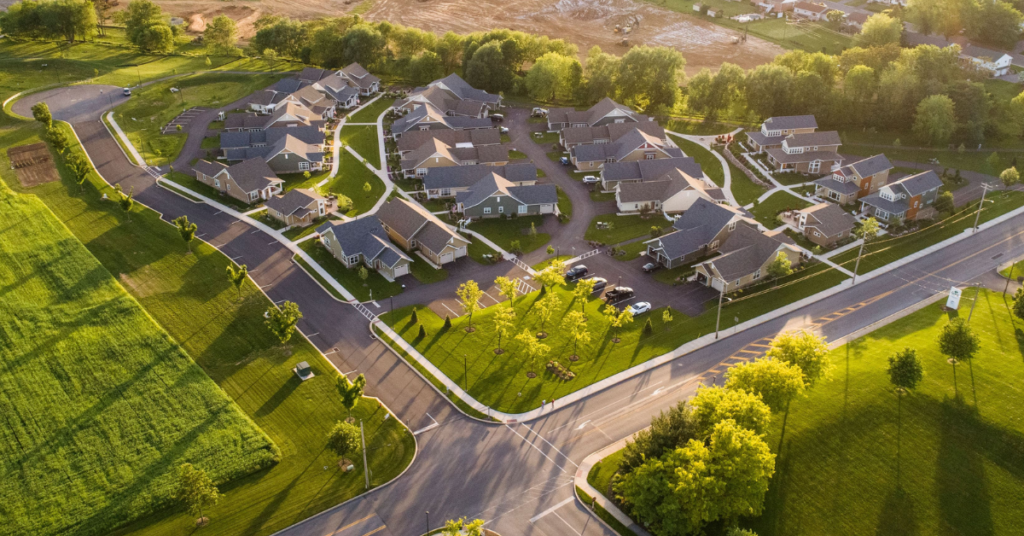
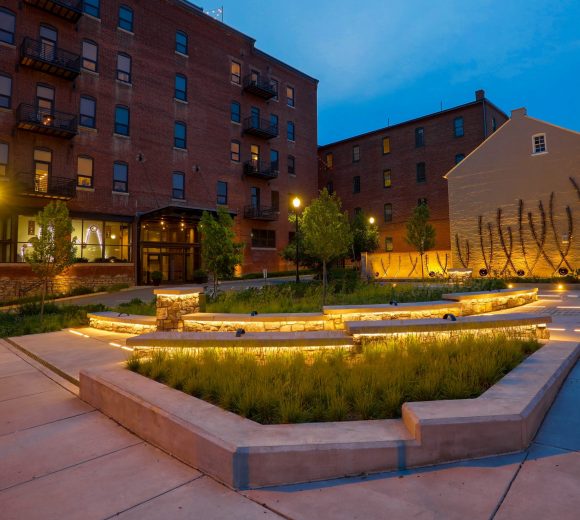
“Open space is a good example,” he said. For many years, open space in senior living was too often relegated to whatever land could not be developed: a floodplain, an awkward corner or a residual green patch. Today, forward-thinking communities are putting gathering spaces, recreation areas, gardens, and walkable connections closer to the center of campus life.
“There’s always been an element of this,” Alex said, “but I think the value around community and gathering space has become more front and center.”
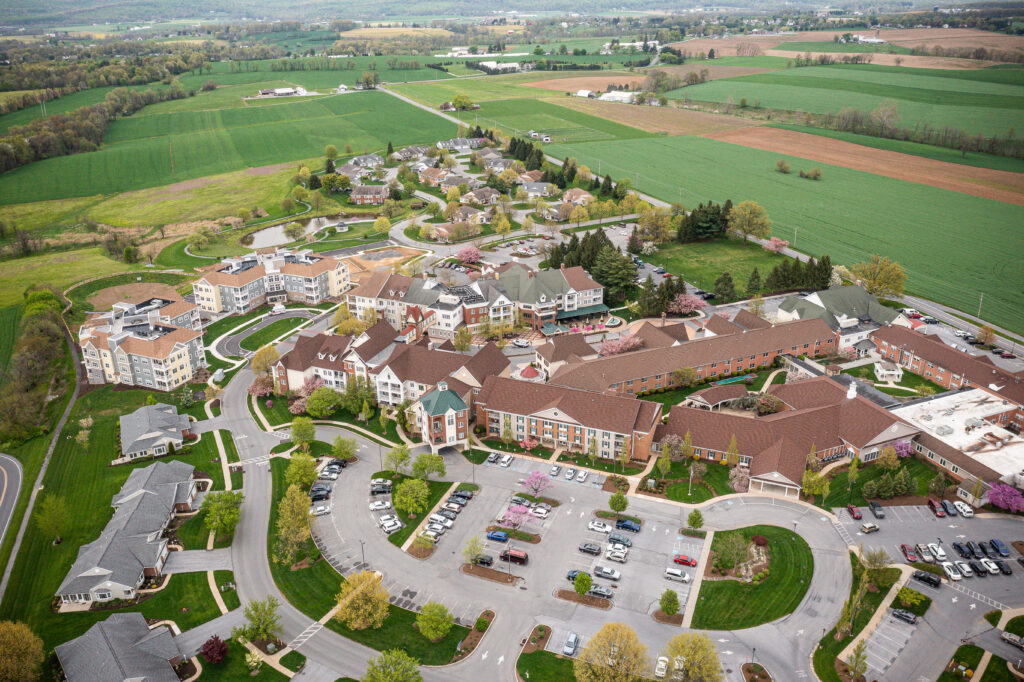
At Garden Spot Village, Alex said the idea of pocket neighborhoods grew partly from observing how residents lacked direct interaction with their neighbors. The design response was to create more intentional neighborhood spaces with active central greens, front porch living, a commons building with central mail service and purposeful community gathering spaces.
For Pleasant View Communities, the Hoffer Farm project reflects a broader vision of opening the campus to the Manheim community through public-facing amenities, including a library, cultural center, maker space, agricultural uses, and recreation areas. For Alex, the point is not simply that these features exist. It is that they give people a reason to move through the campus and socialize.
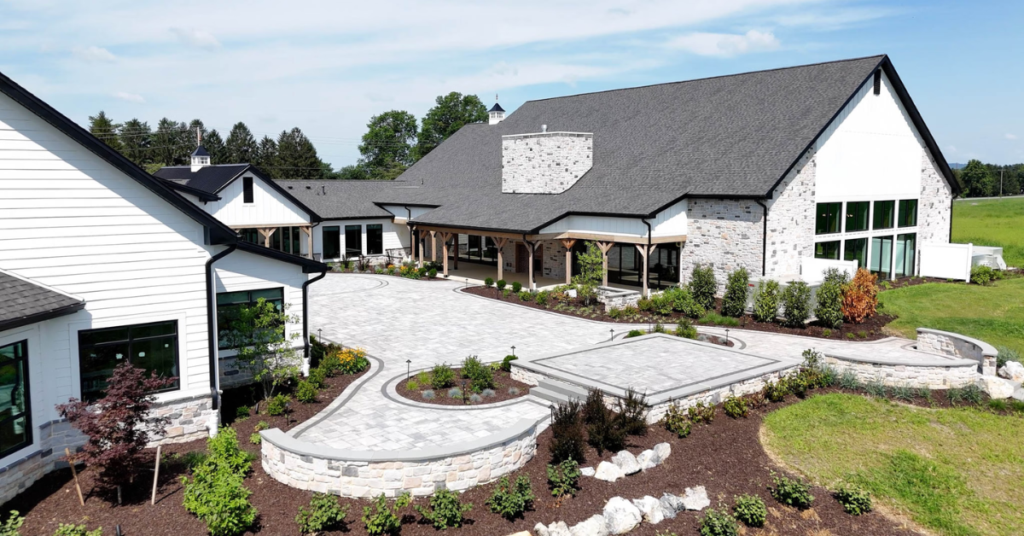
“Most people want to go out and interact,” Alex said. “They want to go somewhere. It gives a purpose for going out; more than just saying, ‘I’m going to do a half-mile lap.’”
Turning Vision into Places That Work
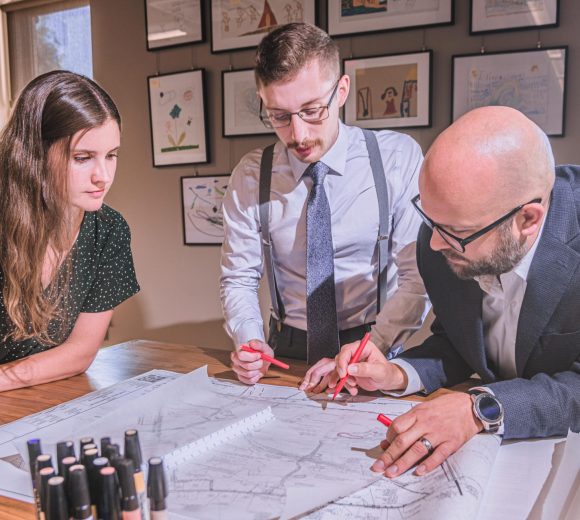
 For RGS Associates, supporting changemakers often means helping them through the transition from concept to implementation.
That can mean designing a campus to be more walkable, connecting new residences to existing neighborhoods, or planning recreation spaces that serve both participants and spectators. It can mean guiding a senior living organization through a decision making process, securing zoning approvals, stormwater management and utility system design, accessibility compliance, project phasing, and public approvals.
Every life plan community approaches senior living through its own lens. Some focus on intergenerational connection. Some emphasize environmental stewardship. Some are exploring new models of memory care, affordable living, wellness, or campus expansion.
What they all share is a willingness to keep asking what their communities need to become. That’s one reason why this year’s LeadingAge PA conference is so important. It will bring together people and organizations from across the Commonwealth to address new questions and emerging challenges in the industry.
The best work in senior living comes from steady collaboration, thoughtful planning, and leaders who are willing to reconsider old assumptions when a better path emerges. “Usually when change happens, most of us resist it,” David said. “Then you look back and say, ‘That was a pretty good idea.’ Being open to trying stuff you might initially resist is critical.”
As RGS prepares for LeadingAge PA 2026 next week, that mindset feels especially relevant. Progress in senior living is not only about what’s new. It’s about the synergistic partnerships that bring meaningful change to life.