What Three Interns Learned in a Summer of Real Projects

Ask a design or engineering student what they expect from an internship and the answer usually involves software. Ask them at the end of the summer, and it almost always involves something else.
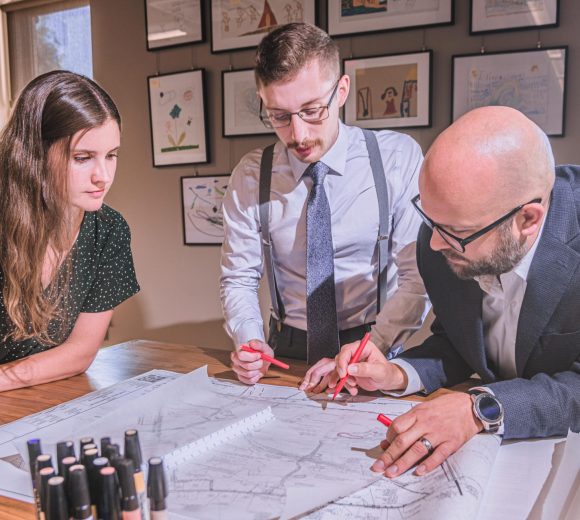
At RGS Associates, summer interns aren’t parked in a corner with hypothetical site plans or asked to get endless rounds of coffee. They work alongside professional site designers, landscape architects, and civil engineers on projects that have clients, deadlines, budgets, meetings, and neighbors.
This summer, that experience belonged to three students; two studying landscape architecture at Penn State and one studying environmental engineering at Messiah University. Each left with a clearer sense of what these professions ask of the people who practice them.
Real Projects, From Concept Through Construction

Emily Berkheimer, a rising junior at Penn State studying landscape architecture, came to her internship interested in stormwater and community design.
Instead of setting those interests aside for a few years, she followed them across projects at nearly every stage.
“I have had the opportunity to be a part of several projects ranging from concept design all the way to post construction and inspections,” she said.

Madelyn McKee, an upcoming senior at Penn State, joined for a seven-week term rather than a full summer and used every week of it. She attended municipal meetings, client meetings, and a zoning hearing board meeting, and visited sites finished and under construction.
“I learned expansively about what goes into making projects a reality, the steps to starting a project, and how conceptual ideas get created in deeply collaborative environments,” she said.

Evan Merrill came to the work from the engineering side. A junior at Messiah University studying environmental engineering, he grew up in York and traces his interest to time outdoors hunting and fishing.
“I’ve always been fascinated by water and understanding how it can be managed to protect and sustain the environment around it,” he said.
At RGS, Evan learned about land development and stormwater management through a combination of lessons, hands-on work, and site visits. “Having all three experiences helped me connect what I was learning to real projects and gave me a much deeper understanding of the work,” he said.
He also carried a parcel evaluation of his own from start to finish, picking up GIS and base map preparation along the way, and attended an Urban Land Institute meeting at Three Mile Island with RGS Principal Mark Hackenburg, RLA.
Learning What a Classroom Cannot Simulate
Only presence can teach a student how a room full of residents talks about the place where they live, or what happens when an inspection turns up a real problem on a real site. You can’t learn that in a studio.
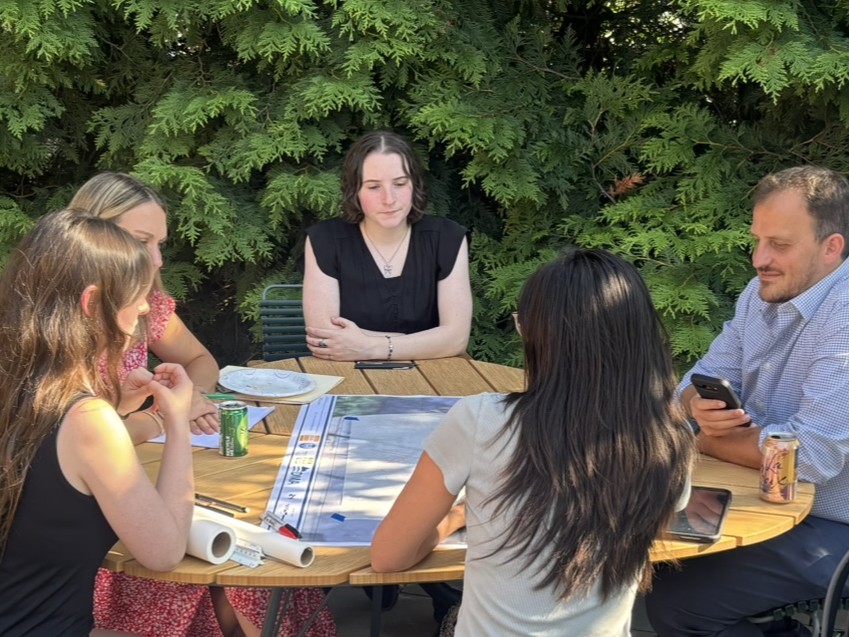
Two of Emily’s standout moments were exactly those. She sat in on a meeting at Tel Hai Retirement Community where the team gathered resident input on the landscape, and on a stormwater inspection where, in her words, she “learned more about real world stormwater problems and solutions.”
She also developed design concepts for a new Habitat for Humanity project.
By her own summary, the summer helped her “improve my CADD knowledge and design skills,” but also helped her “gain an understanding of the legal and construction processes that happen behind the design, as well as what it is like working in an interdisciplinary setting.”
The Skill Nobody Lists on a Résumé
Asked what she was taking away, Madelyn named something that has nothing to do with software, but everything to do with professional success: self-advocacy.
“I have learned that internships are what you get out of them,” she said, “and asking to be included in meetings, asking for certain projects, to have a part in a particular part in the process, or taking on work that you want to experience was important for me when joining RGS for 7 weeks instead of an entire summer.”
Mentorship as a Daily Practice
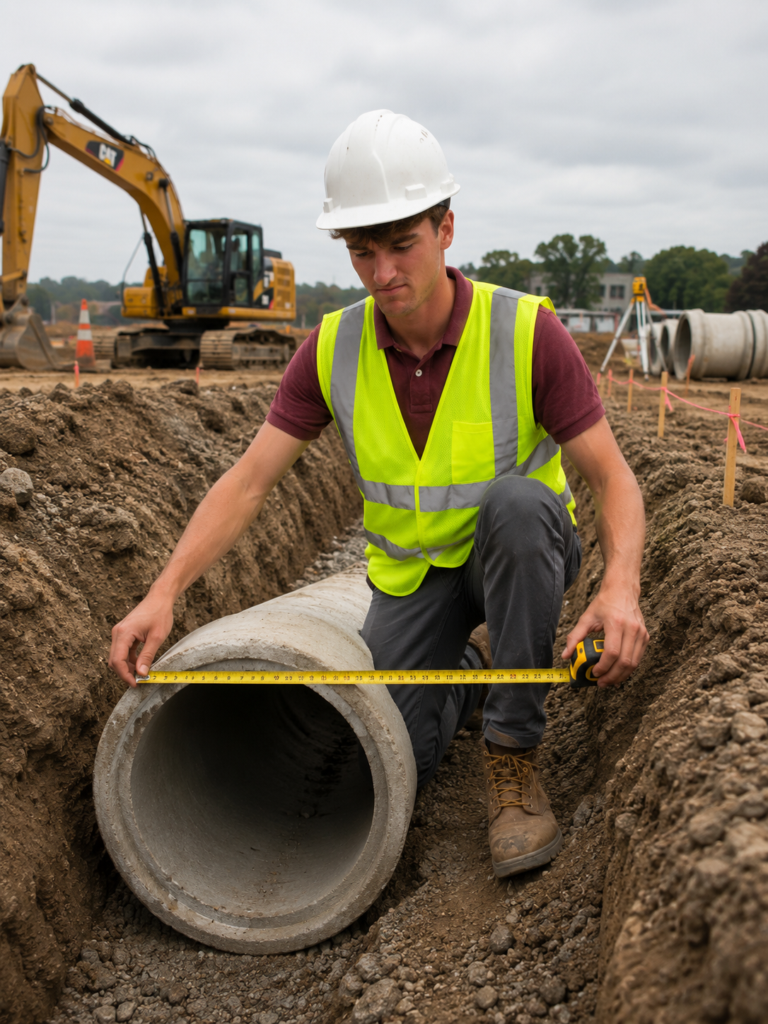
All three interns pointed to the same source for the bulk of their learning.
“I can’t thank my team enough for their guidance throughout my first internship,” Emily said. “Whether it was providing feedback on my work or answering any questions that came up, it is through my team that I feel I have learned the most about design, collaboration, and putting people at the forefront of design.”
Evan described the same thing from the engineering side. His team handed him mock projects and real ones, then walked him through his mistakes. “I never felt like I was on my own or afraid to ask questions,” he said. “No matter how busy everyone was, someone was always willing to help and point me in the right direction.”
His favorite memory had nothing to do with a project, however. It was cooking and eating hot dogs with his team in the office, which told him that “engineering can be both professional and enjoyable.”
Madelyn described the same instinct in the team members surrounding her.
“It was remarkable how fast team members were willing to put their projects down to help me with a project or software I was not familiar with,” she said. “Everyone was so excited to involve me in every process and let me tag along. I am truly blown away by the RGS culture and their genuine inclusivity.”
Why Investing in Internships Matters
Bringing interns into active projects requires patience and a willingness to slow down, be deliberate, and explain. The profession needs people who arrive prepared for the realities of practice, and the surest way to prepare them is to let them experience it.
Every intern who spends a summer here also becomes a set of fresh eyes on how we work and where we could do better. We ask, and we listen to the answers.
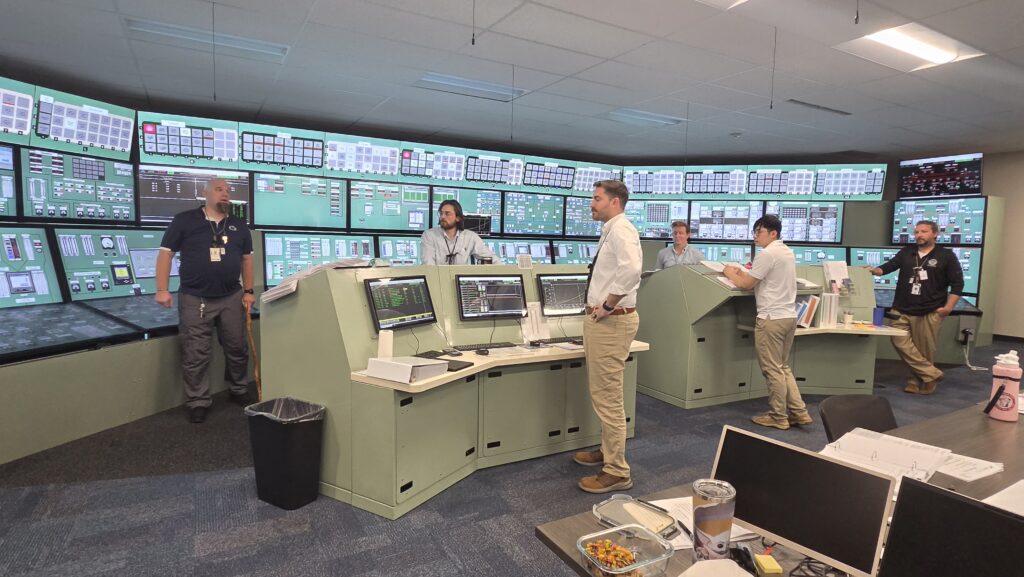
Evan gave us one suggestion worth consideration: the structured lessons at the start of his internship were, in his view, one of the most valuable parts of the program, and he wanted more of them, from more perspectives.
An internship is also the longest interview either side will ever get. A student learns whether this practice suits them, and we learn how someone thinks, asks questions, and behaves with a client. That means an internship can go well beyond a summer of hands-on learning. It can lead to a career.
RGS Associates’ own Craig Smith, RLA, is a great example. He started at RGS as an intern in the firm’s first year and is now one of our principals.
“I am beyond grateful for this opportunity that RGS has given me, the people I have met, and all the knowledge that I have gained,” Emily said. “This has been a truly amazing summer!”
With a few weeks to go, Madelyn put it this way: “I am thankful for the time that I got to spend at RGS and I can’t wait to see what I learn in the final 3 weeks of the internship!”
Evan’s version was shorter: “I truly couldn’t have asked for a better environment to learn in or a better group of people to learn from.”
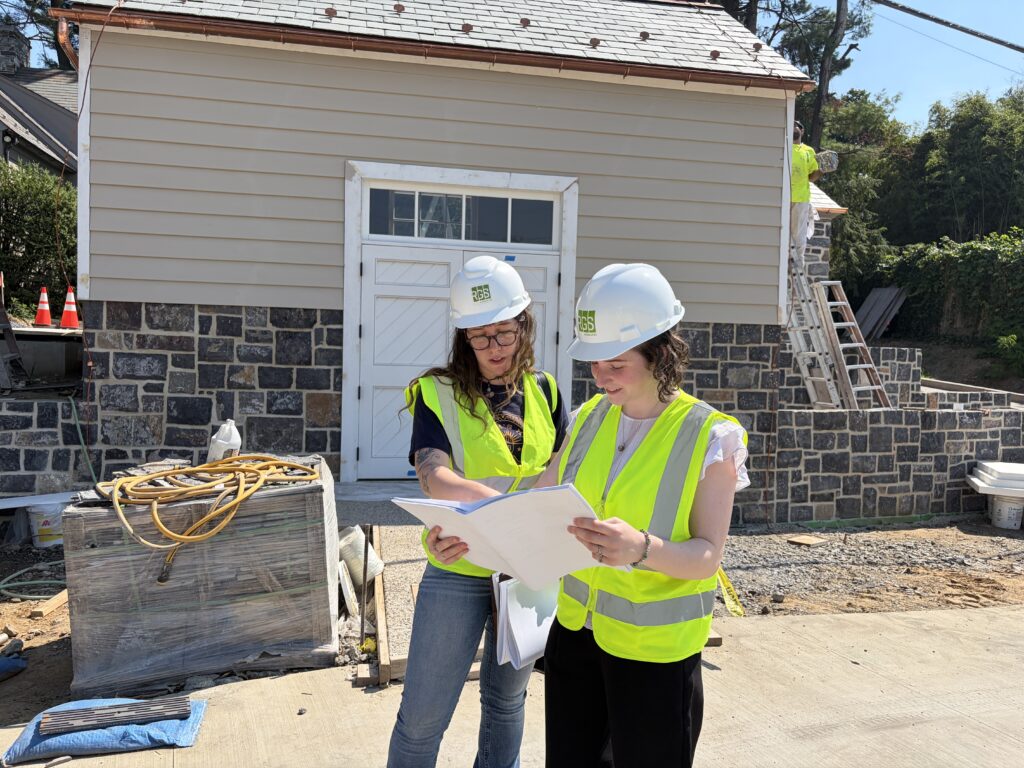
We’re grateful to Emily, Madelyn, and Evan for the contributions they made and the teams they supported this summer. We’re already looking forward to what their futures hold and what our next group of interns has in store for us!
If you or a student you know is looking to gain real-world experience and kick off their career in landscape architecture, land planning, or civil engineering, please visit our Internships page for more details and to submit an application.