What the RGS Annual Meeting Revealed About the Year Ahead
There is a specific kind of clarity that arrives in the first quarter of the year.
In the world of site design and land planning, it is a season of transition, where the quiet coordination of winter meets the visible acceleration of spring. For the team at RGS, the middle of the first quarter provides a rare opportunity to step back from the daily complexities of individual projects and consider the broader impact of our collective work.
A new year naturally brings a sharper focus to what lies ahead, but that perspective is shaped by the lessons of the year before. To that end, the entire RGS team recently gathered for our annual meeting to reflect on the milestones of 2025 and discuss what they reveal about the opportunities for 2026.
As staff from each of our four regional offices shared project updates, successful outcomes, and emerging priorities, a larger theme came into focus.
According to RGS Principal Mark Hackenburg, RLA, the real story was not simply one of activity, but of intentional growth in the scope of our work, the strength of our team, and the way we are preparing for the future.
“It’s easy for everyone to get caught up in their work and never really see the big picture,” Mark said. “And sometimes we as leaders don’t see it either. So, our annual company-wide meeting has become a way for us to capture all the things we’ve been involved in and engaged in, and to recognize the tremendous achievements of our team.”
Scaling the Impact of Site Design
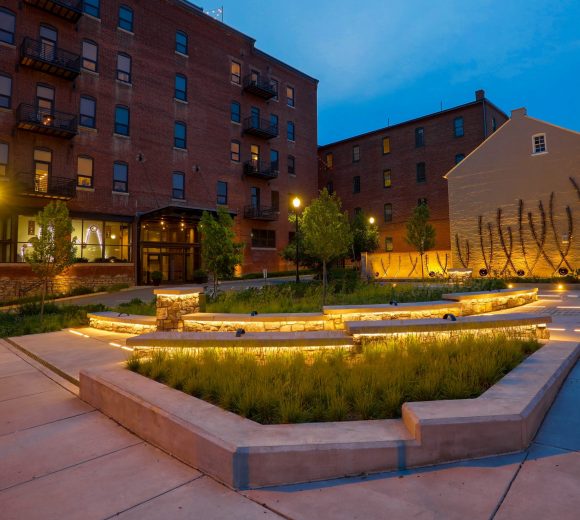
Navigating a difficult municipal approval, solving a complex stormwater issue, or refining the details for the next ‘great place’ requires tremendous focus and leaves little time to reflect on the aggregate impact of our work across the Mid-Atlantic. When we do take the time to recognize each other’s achievements and learn from them, the breadth of the RGS portfolio becomes genuinely inspiring.
In the past year alone, our teams worked across more than 14 distinct market sectors. That diversity allows us to carry lessons from one type of project into another and strengthen both our technical execution and our long-range thinking.
Some of the efforts helping define our current momentum include:
- Infrastructure and Innovation: We are currently leading the civil engineering design and repositioning of stormwater systems to facilitate a future Lancaster Airport runway expansion. This project involves highly complex permitting processes and sophisticated stormwater regulations that will help shape regional growth.
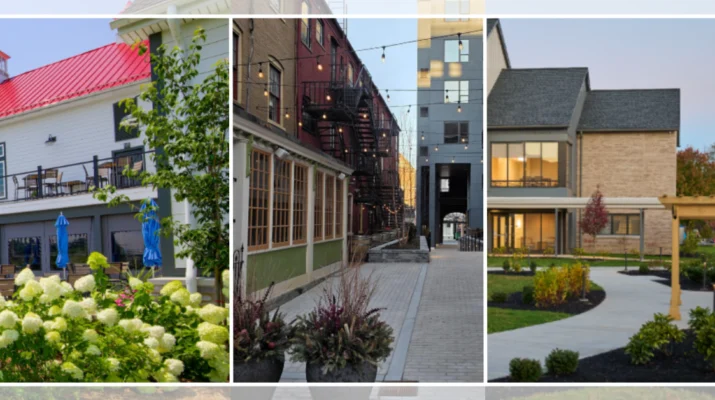
- Cultural and Natural Stewardship: We are honored to provide design support for transformational efforts such as the historic restoration of Wright’s Ferry Mansion in Columbia Borough and the conversion of the Millbourne Estate into a public arboretum in York Township.
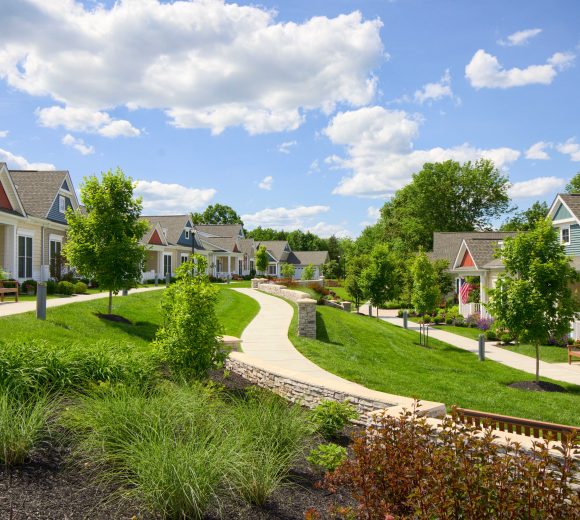
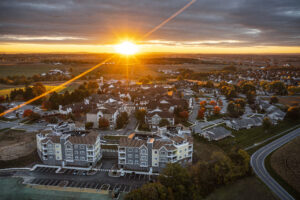
- Residential and Senior Living: From finalizing the J-Veridian project in Fort Washington for the Jefferson Apartment Group to implementing the newest expansion plans for Pleasant View Communities in Manheim, we are helping address the region’s need for diverse, high-quality housing.
- Community Partnerships: Our ongoing work with Habitat for Humanity on the Wheatland Avenue project reflects our belief that thoughtful site design should improve entire communities, not just individual parcels.
These projects differ in scale, sector, and complexity, but together they reflect a consistent approach. At RGS, technical excellence and artistic talent is demonstrated through trusted relationships, careful coordination, and outcomes that move projects forward.
Growing the RGS Bench
Growth at RGS is never measured by headcount alone. It is reflected in capacity, continuity, and the systems that allow the firm to take on increasingly complex work without losing the culture and relationships that define it. Over the last year, RGS welcomed eight new team members, expanded responsibilities across the organization, and continued investing in the professional development that supports long-term growth.
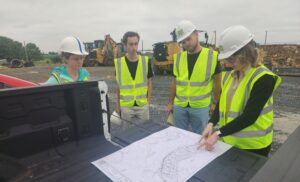
That emphasis is also visible in the firm’s strategic priorities for 2026, which include staff training, coaching, mentoring, core competency development, process efficiencies, and leadership transition. Taken together, those priorities point to a company that is growing, but also becoming more prepared, more resilient, and more deliberate in how it grows.
“A big part of our focus is making sure growth is sustainable,” Mark said. “We want to keep building the kind of team that can take on more complex work, support one another well, and continue serving clients with the same consistency they’ve come to expect from us.”
That investment strengthens operations and continuity. As RGS looks ahead, the firm is intentionally broadening the base of leaders who carry institutional knowledge, client trust, and project responsibility forward. In that sense, preparing for the future is part of a larger initiative focused on refining the way RGS develops its people.
The People Behind the Plans
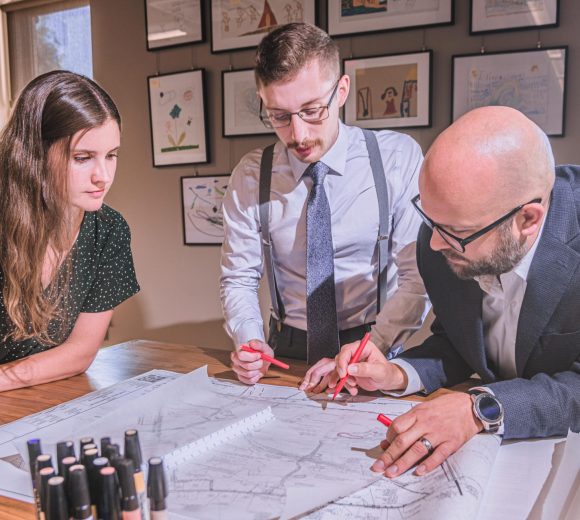
This commitment to developing people is built on a foundation of mentorship and shared experience. The success of a complex grading plan or a high-stakes municipal presentation ultimately depends on the strength and growth of the individuals behind it. We’ve always believed that our project outcomes are a direct reflection of our internal health; when our team members are given the space to learn and the support to grow, that energy translates into more creative advocacy and better results for our clients.
At RGS, this development is fostered in the daily exchange of knowledge. It’s found in the quiet moments of coaching, like when a senior engineer walks a technician through a difficult stormwater calculation, or when a landscape architect shares decades of site-specific wisdom with a new hire. These interactions are the “glue” that keeps our multidisciplinary teams synchronized as we continue to take on larger and more complex regional challenges.
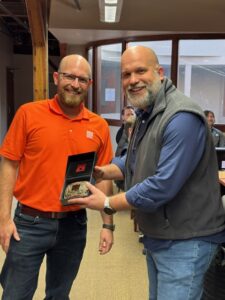
Beyond the desks and drawing boards, our culture is defined by a sense of continuity and common ground.
From annual traditions like our highly competitive chili cook-off to spirited trivia sessions that reveal the unique personal stories of our staff, we make it a priority to celebrate the people who make this firm possible.
That spirit of stewardship naturally extends to the communities we serve.
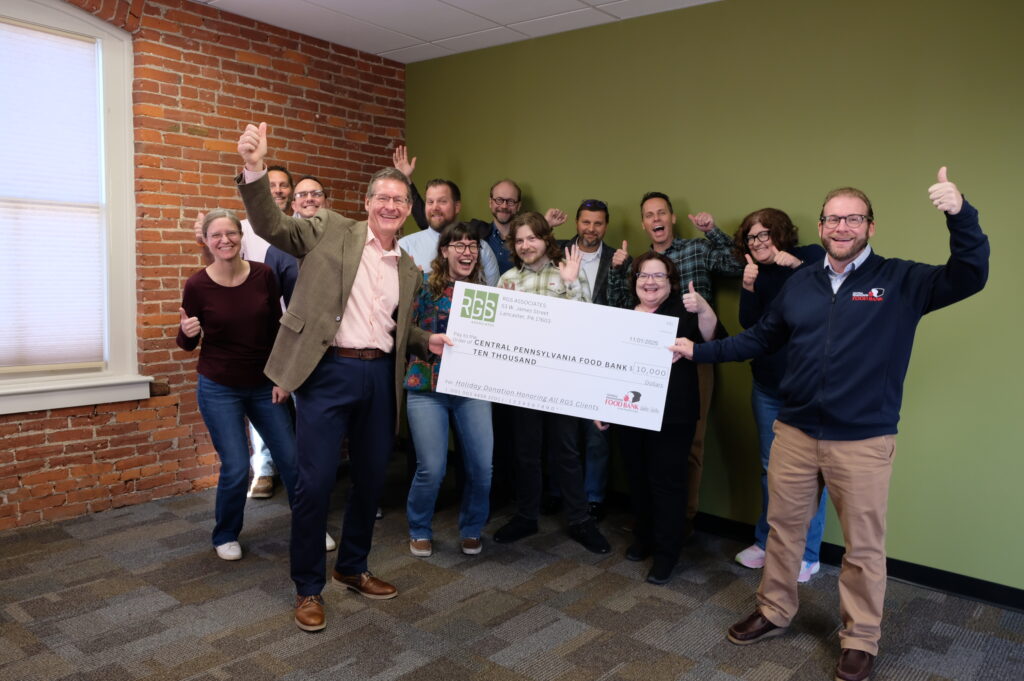
Last year, RGS was proud to donate more than $80,000 to local food banks, healthcare services, and benevolent care funds, reinforcing our belief that while talent strengthens a project’s success, investing in people strengthens a community’s character.
Looking Ahead in 2026
As RGS moves deeper into 2026, the momentum of the past year is already serving as a springboard.
Besides the volume of work ahead, we are encouraged by the opportunity to bring our experience to larger community conversations. That includes greater involvement in issues such as housing affordability, sustainable development, and the regulatory conditions that shape what gets built where.
 For example, our team is currently sharing insights with the Coalition for Sustainable Housing about the regulatory barriers that can complicate the creation of affordable housing. In this way, our role as advocates for clients also becomes a form of advocacy for healthier, more resilient communities.
Being part of the larger conversation does not happen on a whim. It depends on a team that is engaged, prepared, supported, and trusted to take on larger roles over time. In that way, RGS’s commitment to advocacy extends beyond clients and communities to the people inside the firm who are being mentored to lead its next chapter.
“We view training and mentorship as a fundamental commitment to our people,” Mark said, adding that he and Managing Principal Joel Snyder, RLA, are each taking a deliberate approach to the shift of responsibilities.
“It’s not to cede leadership, but to empower the next generation,” Mark said. “We’re mentoring emerging leaders who will carry these relationships forward and ensure RGS remains a steady, trusted partner for decades to come.”