A New Residential Community for a Growing Corridor
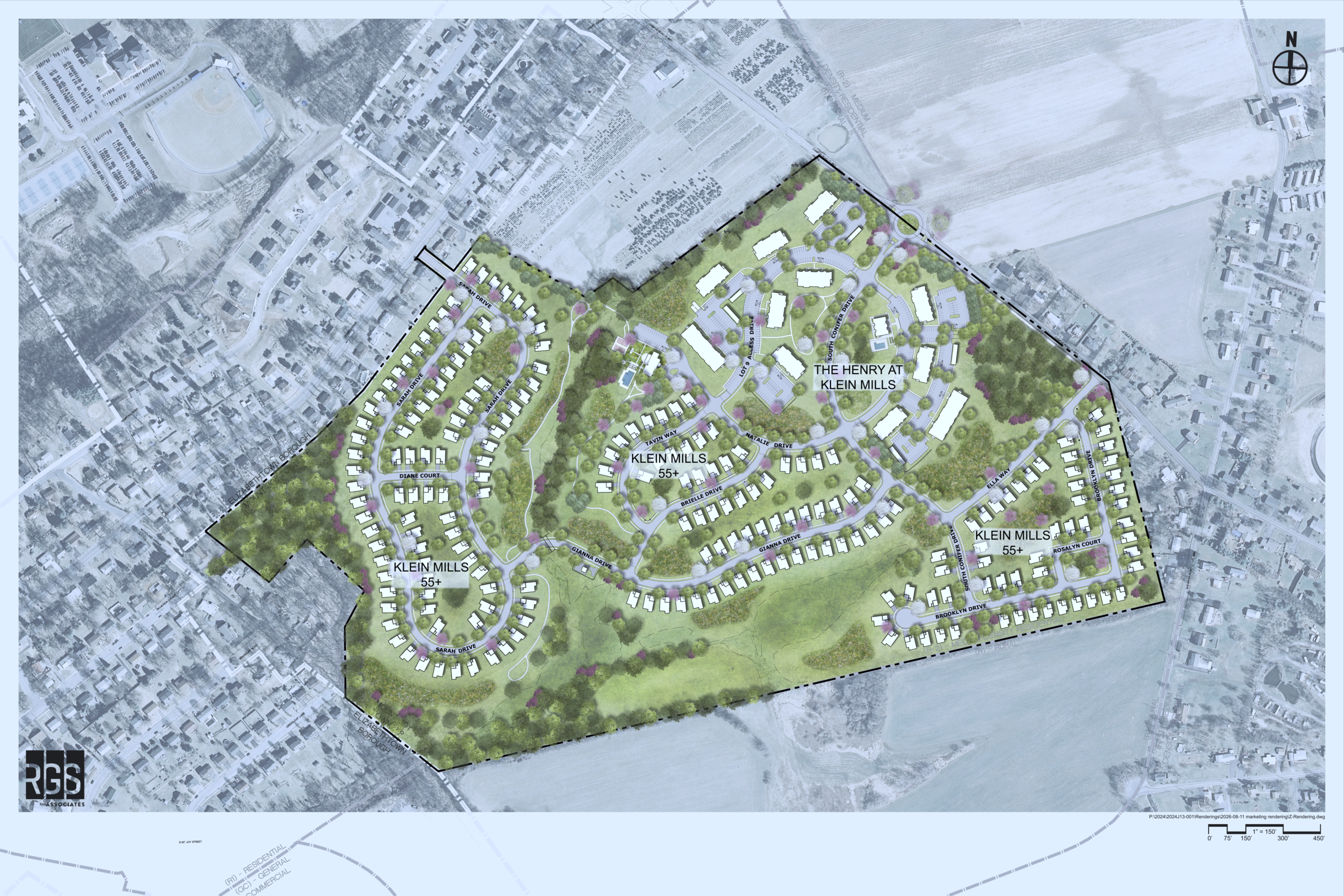
Klein Mills brings together modern multi-family living and age-targeted 55+ housing in Elizabethtown, within the rapidly growing Lancaster-Harrisburg corridor. The community was planned to balance residential growth with environmental stewardship through the preservation of woodland areas, generous open space, and a comprehensive network of community amenities.
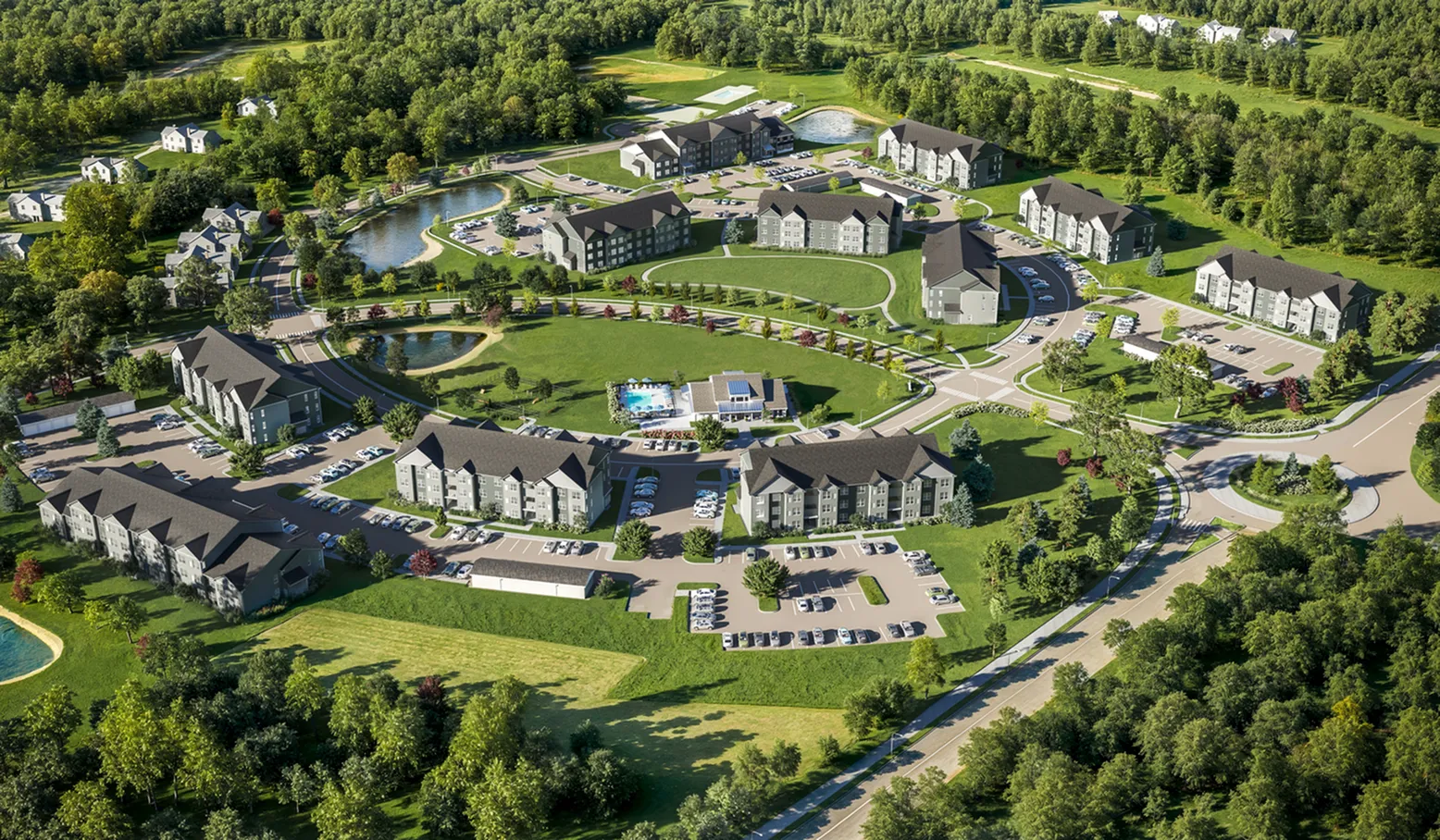
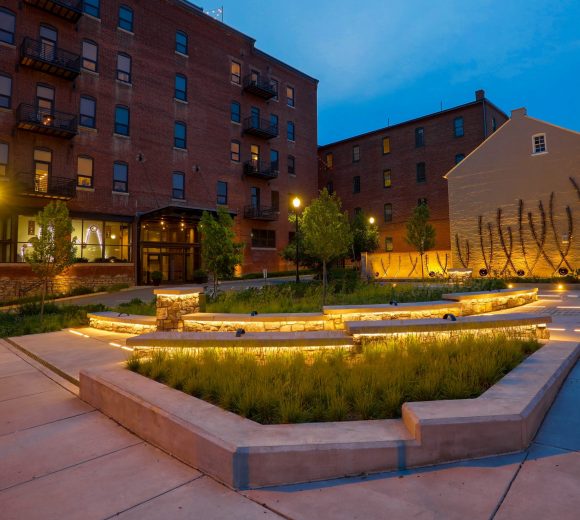
The development consists of two complementary residential communities. The Henry at Klein Mills, developed by Greystar, features eight prefabricated apartment buildings delivered through an innovative construction approach that helped accelerate the schedule between groundbreaking and occupancy.
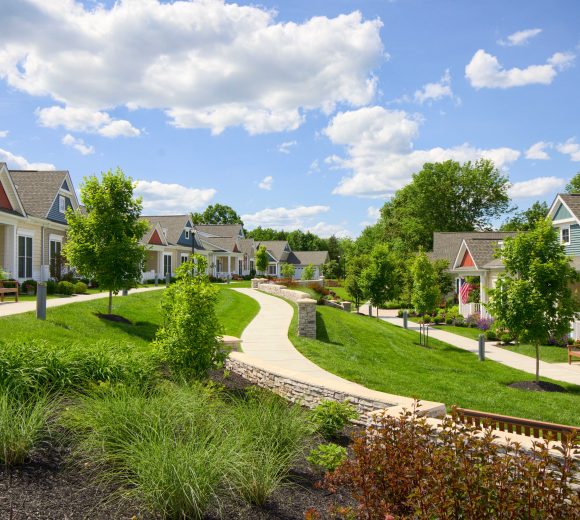
Adjacent to the apartment community, Klein Mills 55+, developed by NVR/Ryan Homes, provides an active adult neighborhood designed to meet growing demand for age-targeted housing in the region. Together, these communities create housing opportunities for a broad range of residents while supporting continued growth in the Elizabethtown area.
Guiding a Multifaceted Development Vision
RGS Associates partnered with Catalyst Commercial Development to lead subdivision and land development planning for the Campus Road property, with services spanning initial concept planning, final approvals, and construction support. Throughout the process, RGS played a key role in shaping a complex site as a cohesive residential community.
Working closely with both Greystar and NVR/Ryan Homes, the team tailored site layouts to support each developer’s housing products, operational requirements, and amenity programs. Drawing on established relationships with local agencies and municipal stakeholders, RGS navigated entitlement processes and facilitated plan modifications that helped keep development timelines on track. This collaborative approach allowed multiple development interests to advance under a unified planning framework.
Delivering Multi-Family Housing for Today’s Market
The Henry at Klein Mills expands housing options through a mix of one-, two-, and three-bedroom apartment homes designed to meet the needs of a diverse resident population. Ideally positioned near Elizabethtown, Lancaster, Hershey, and Harrisburg, the community offers convenient access to employment centers while maintaining the character of a suburban neighborhood.
Amenities include a clubhouse and resident lounge, fitness center, swimming pool with sun deck, EV charging stations, bike storage, and community-wide Wi-Fi. The project also used prefabricated construction, allowing high-quality apartment homes to be delivered in a significantly shorter timeframe while maintaining design and construction standards.
Creating an Amenity-Rich Active Adult Community
The adjacent Klein Mills 55+ community is organized into three distinct neighborhoods featuring detached single-story homes, a clubhouse and community center, pedestrian connections, and convenient access to the surrounding transportation network.
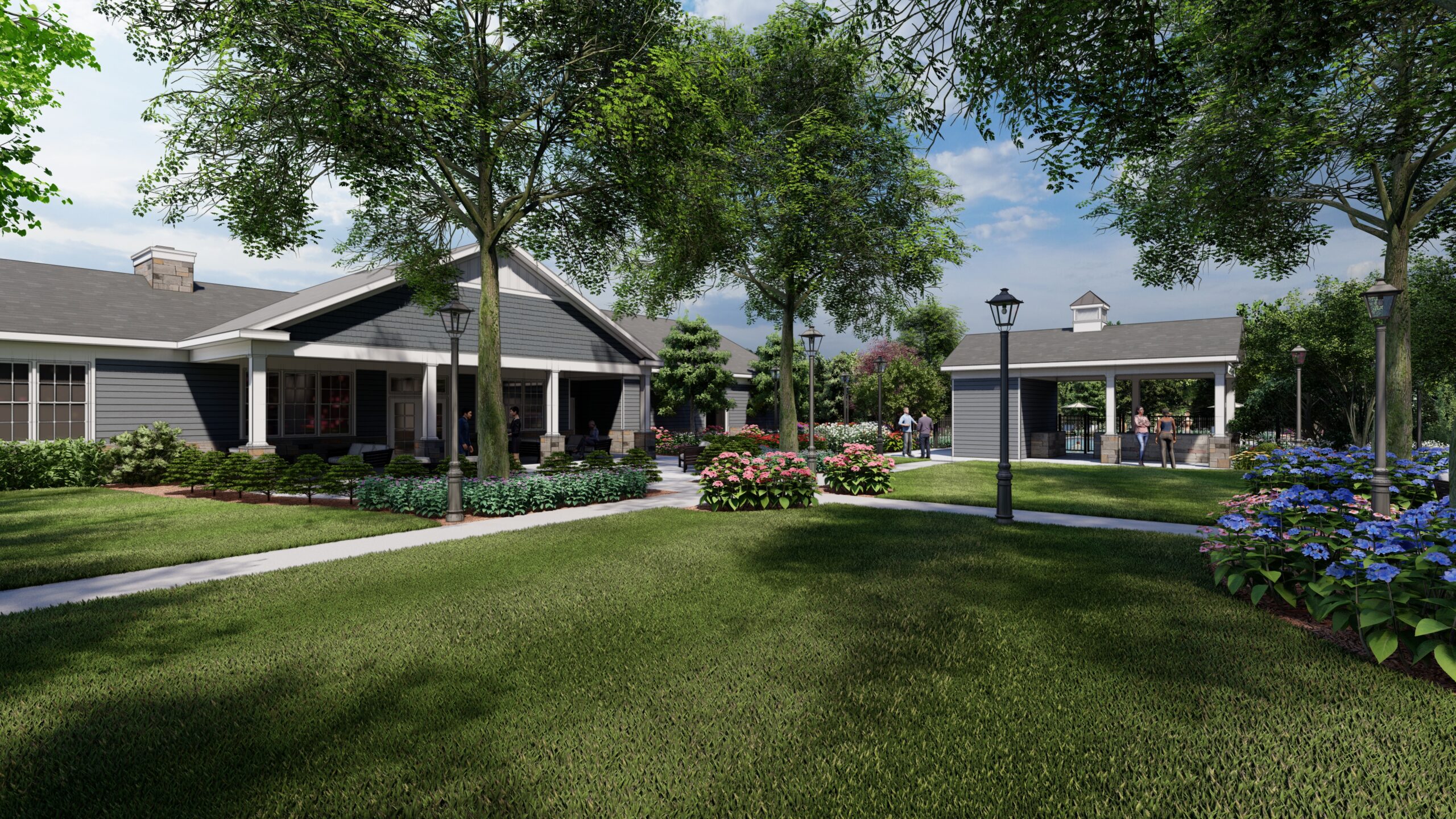
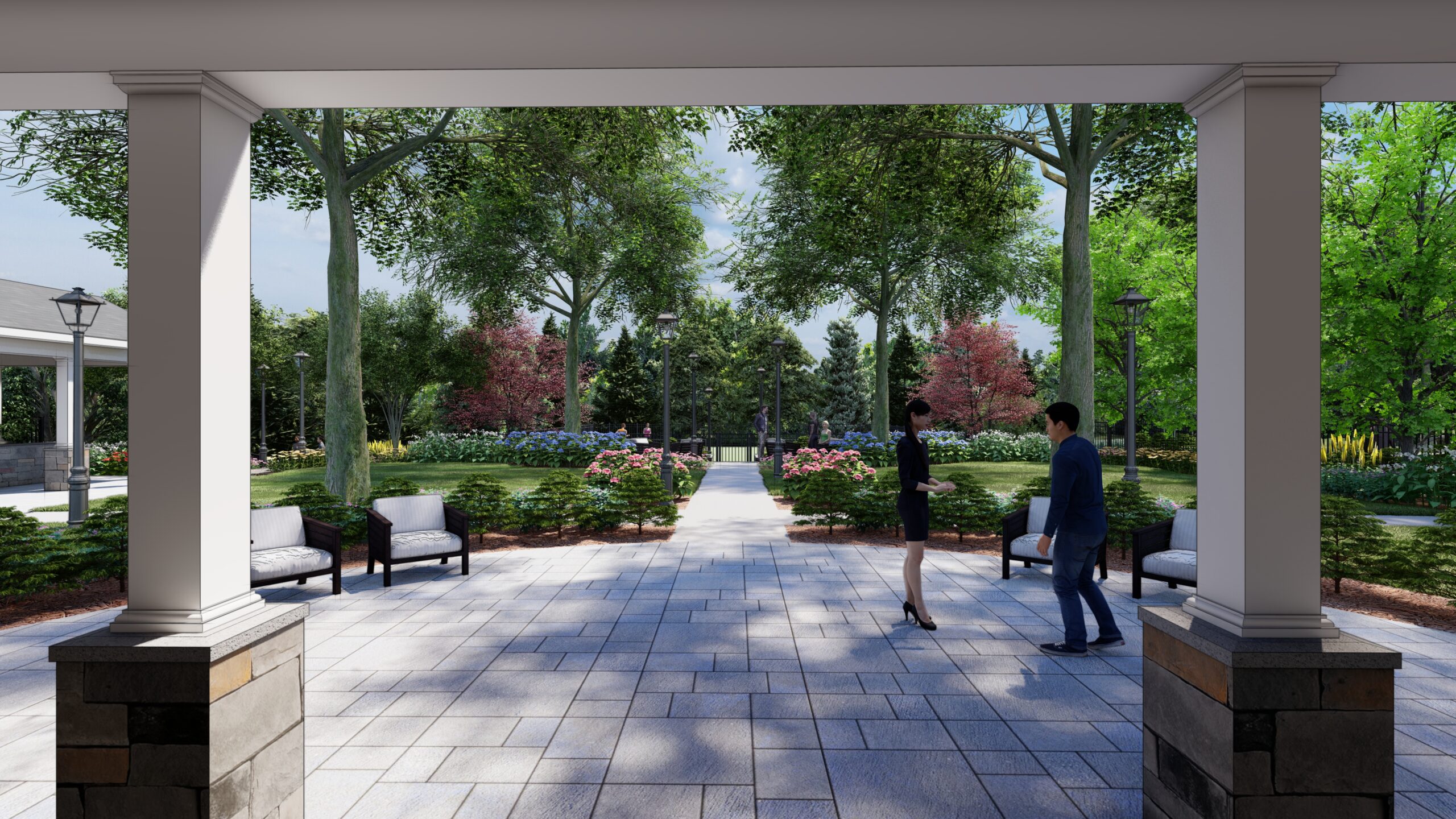
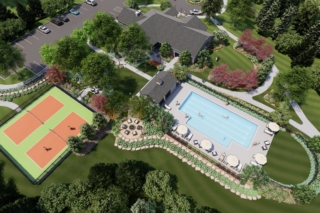
RGS Associates’ Paoli-based landscape architects played a central role in developing the community’s amenity package, carefully organizing recreational and social spaces to support an active lifestyle. Amenities include pickleball courts, an outdoor swimming pool and sun deck, a fire pit gathering area, an event lawn, and a social terrace. Detailed landscape plans helped define transitions between activity areas while creating inviting spaces for recreation and community interaction.
The result is an amenity setting designed to support wellness, connection, and engagement among residents.
Coordinating Planning and Design Across RGS Teams
The success of Klein Mills relied on close collaboration across disciplines and offices within RGS Associates. Engineering and landscape architecture professionals in the Lancaster office provided expertise in roadway design, grading, stormwater management, utility infrastructure, and plan approvals. Landscape architects in both the Lancaster and Paoli offices also collaborated on placemaking, community character, and resident experience.
Particular attention was given to the community’s arrival and circulation experience. A prominent roundabout entrance from Campus Road establishes a strong sense of identity, while pedestrian connections, open space corridors, trail systems, and clubhouse access were integrated to create a walkable and connected neighborhood. Through a phased approval process involving multiple stakeholders, RGS maintained a consistent design approach that unified the development while allowing each residential component to establish its own character.
Balancing Development with Environmental Stewardship
Developing Klein Mills required close coordination around environmental and regulatory challenges. RGS played a leading role in securing the rezoning necessary to support the project’s residential vision while coordinating the approvals required to move development forward.
The site presented several challenges, including rolling topography, mature woodlands, wetlands, and watercourses. Through careful planning and design, RGS developed solutions that maximized development potential while incorporating these natural features into the community framework. Open spaces, environmental resources, and residential neighborhoods were balanced to create a development that responds to both market demand and site conditions.
Extensive coordination of stormwater management, drainage, utilities, transportation access, pedestrian circulation, and municipal approvals also helped establish the foundation for the community’s long-term success.
A Framework for Long-Term Growth
Klein Mills demonstrates how coordinated planning, collaboration, and integrated design can create a lasting framework for residential growth. Through coordinated site planning, entitlement support, engineering, and landscape architectural services, RGS Associates helped deliver a connected and accessible community that serves multiple housing markets.
The planning and infrastructure investments made throughout the project provide a foundation for continued development of both the apartment and active adult neighborhoods. The result is a community positioned to meet current housing needs, support future growth, and serve residents as Klein Mills continues to mature.